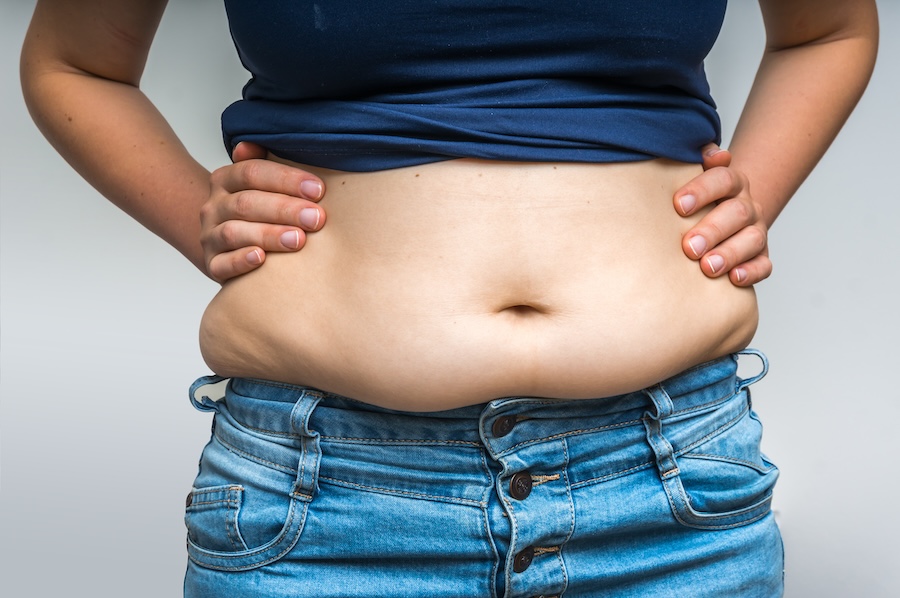
Many people in their late 30s and 40s notice changes in metabolism and find it increasingly difficult to maintain a healthy weight, even with nutritious eating habits. Strategies that once worked for weight loss may no longer be effective, especially as the body transitions through perimenopause and hormonal shifts begin to impact metabolism.
This situation is common and not a reflection of willpower. Instead, it highlights the need for updated approaches that consider underlying hormonal changes. Understanding these root causes is essential for overcoming weight-loss resistance, particularly in women.
Insulin Resistance and Obesity
Insulin, produced by the pancreas, is released in response to rising blood sugar levels, primarily after meals. Its primary function is to help move sugar from the blood into cells, where it is converted into energy.
Insulin resistance develops when blood sugar remains elevated over time, often due to diets high in saturated fats, animal proteins, and refined carbohydrates. Other contributors include stress, genetics, and toxin exposure. Contrary to popular belief, carbohydrates are not the sole cause; elevated blood sugar is a symptom of underlying insulin resistance. Over time, cells become less responsive to insulin, leading to persistently high blood sugar levels.
Common signs of insulin resistance include elevated blood sugar and insulin levels, slowed metabolism and weight gain, inflammation, fatigue (especially after meals), metabolic syndrome, pre-diabetes, type 2 diabetes, and PCOS. During perimenopause, the body may become more prone to insulin resistance, further affecting body composition.
Addressing insulin resistance involves adopting a blood-sugar-balancing diet, such as a plant-forward eating pattern, incorporating strength training, and considering targeted supplements.
Metabolic Syndrome and Obesity
Insulin resistance can progress to metabolic syndrome, a cluster of symptoms including elevated fasting blood glucose, high triglycerides, abdominal obesity, low HDL (“good”) cholesterol, and elevated blood pressure. A diagnosis of metabolic syndrome is made when three or more of these criteria are present.
While conventional medicine often addresses symptoms with medication, functional medicine focuses on correcting the underlying hormonal imbalances. Personalized diet and lifestyle changes can improve insulin sensitivity, lower blood sugar, and support fat loss, particularly around the abdomen. If weight gain is accompanied by changes in these metabolic markers, addressing insulin resistance is a crucial first step, and in many cases, it can be reversed through lifestyle modifications.
Hormone Balance Issues and Obesity
Hormonal balance is fundamental for effective weight management. In addition to insulin, other hormones may contribute to weight gain, including cortisol, testosterone, and thyroid hormones.
Elevated cortisol, often due to stress, signals the body to retain weight. Stress management and HPA-axis support can be beneficial. Low testosterone can make it difficult to build and maintain lean muscle mass. Hypothyroidism slows metabolism and is linked to weight gain or resistance to weight loss. Other hormonal patterns may also be involved, making it valuable to consult with a functional medicine hormone specialist for comprehensive evaluation and guidance. Addressing the root causes with diet, lifestyle, and supplements can lead to positive changes in body composition without extreme measures.
Inflammation, Gut Health, and Obesity
Chronic, low-level inflammation is a significant factor in weight gain and is often overlooked. Causes include insulin resistance, gut infections, viral infections, hormone imbalances, and more. Inflammation is a common thread in many chronic diseases.
Highly processed and ultra-processed foods are major contributors to inflammation. Ingredients such as added sugars, refined carbohydrates, industrial seed oils, saturated fats, trans fats, preservatives, and artificial additives are particularly problematic. A diet high in these foods is strongly linked to excess weight, especially in women.
Switching to a whole-food diet can help reduce inflammation. Whole foods include vegetables, starchy vegetables, fruits, legumes, whole grains, nuts and seeds, healthy fats, and occasionally, animal proteins such as wild fish, seafood, eggs, and poultry. Food sensitivities, such as gluten intolerance, can also drive inflammation. An elimination diet can help identify which foods are best suited for each individual.
Gut Health and Weight
The gut microbiome, consisting of trillions of organisms in the digestive tract, plays a vital role in metabolism. A balanced microbiome supports healthy metabolism, while imbalances (dysbiosis) can promote inflammation and slow metabolic function.
Improving gut health is highly individualized. Microbiome testing can help tailor dietary and supplement strategies. Emphasizing high-fiber, colorful plant foods provides essential nutrients for beneficial bacteria. Polyphenols, phytonutrients, prebiotics, and probiotics are especially important. A diverse and abundant intake of plant foods is key for gut and microbiome health. For those who struggle with certain foods, working with a qualified practitioner can help safely reintroduce them.
Fasting and Gut Health
Intermittent fasting, such as a 12-hour overnight fast, can benefit metabolic health and the gut microbiome. More extended fasting periods may offer additional benefits for some women, but those experiencing stress, low thyroid function, or other hormonal imbalances should approach fasting cautiously, as it may add stress to the body. A personalized approach is essential for success.
Addressing the root causes of weight gain requires a comprehensive, personalized approach that considers hormones, inflammation, gut health, and lifestyle factors. For those seeking expert guidance and a tailored plan, visit longevitycareclinic.com to learn more about available services and schedule a consultation with the team at Longevity Care Clinic. Take the first step toward lasting results and improved well-being today.