Navigating hormone balance can be overwhelming, especially with the abundance of online information and misinformation. At Longevity Care Clinic, we understand how confusing it can be to sort through countless recommendations about what, when, and how to eat for optimal hormone health.
While diet is a powerful tool for supporting hormone regulation, quick fixes and trendy cleanses rarely lead to lasting results. Instead, we encourage a holistic approach that considers the bigger picture. Hormone balancing is not about a temporary diet; it’s about adopting sustainable lifestyle changes. Consistency matters more than perfection, and making healthy choices most of the time builds resilience, allowing for occasional treats without disrupting hormonal harmony.
Can Food Really Influence Hormones?
Absolutely. Nutrition plays a significant role in hormone production and balance. The foods consumed provide the building blocks for hormones. Cholesterol from food is essential for estrogen and testosterone, while proteins are necessary for thyroid hormones and insulin. However, hormone health is influenced by more than just food choices. Factors such as portion sizes, sugar and processed food intake, macronutrient balance, hydration, and gut health play a part.
It’s not just about what is eaten, but also what is digested and absorbed. Individuals with gut health challenges or genetic differences in nutrient metabolism may require additional support beyond dietary changes.
The bottom line is that eating well supports overall health and keeps hormones functioning optimally.
How Can Diet Support Hormone Balance?
Blood Sugar Balance:
One of the most effective strategies for hormone health is maintaining stable blood sugar. This involves eating at regular intervals and ensuring each meal contains protein, healthy fats, and fiber. Aim for 25 35 grams of protein per meal, which can be found in foods like wild-caught salmon, Greek yogurt, eggs, chicken, lentils, and edamame. Fiber intake is also crucial; most women benefit from 25 35 grams daily. Increase fiber gradually, drink plenty of water, and focus on whole foods like vegetables, berries, nuts, seeds, and legumes.
Whole Foods:
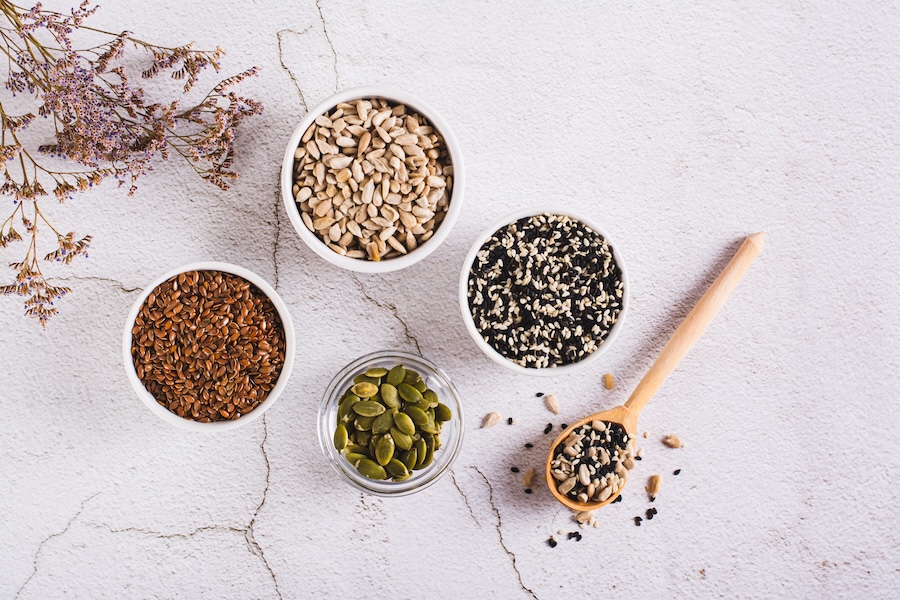
A hormone-supportive diet is built on whole, minimally processed foods. Incorporate a variety of fruits, vegetables, nuts, seeds, eggs, legumes, whole grains, and high-quality meats. These foods provide essential macro and micronutrients needed for hormone production and balance.
Anti-Inflammatory Foods:
Chronic inflammation and hormone imbalances are closely linked. Colorful, antioxidant-rich foods such as berries, leafy greens, tomatoes, and bell peppers help reduce inflammation and support hormone health.
Detoxification:
Efficient elimination of excess hormones is vital. The liver and digestive tract play key roles in detoxification. Cruciferous vegetables like broccoli, cauliflower, kale, and Brussels sprouts contain compounds that help remove excess estrogen. Additional liver supportive foods include milk thistle, dandelion root, dark leafy greens, and sulfur-rich foods like garlic and onions.
How Can Negative Diet Habits Disrupt Hormones?
Excess Sugar:
High sugar intake increases inflammation, disrupts gut health, and causes blood sugar imbalances, all of which can drive hormonal issues. The primary concern is added sugars rather than natural sugars in whole foods.
Ultra Processed Foods:
Foods high in artificial ingredients, preservatives, and added sugars can impair gut health, increase inflammation, and disrupt blood sugar, leading to hormonal imbalances. These foods are also typically low in fiber, protein, and essential nutrients.
Sugar-Sweetened Beverages:
Sodas and other sweetened drinks can significantly impact hormone levels, particularly estrogen. Even beverages marketed as “healthy” may contain added sugars. Replacing these with water or herbal tea is a simple way to reduce sugar intake.
Alcohol:
Alcohol can disrupt female hormones, leading to menstrual irregularities and fertility issues. The ideal amount varies, but many benefit from reducing or eliminating alcohol, especially when addressing hormonal imbalances.
Undereating:
Severe calorie restriction can deprive the body of the nutrients needed for hormone production and increase cortisol, the stress hormone. This can lead to weight gain, cravings, and further hormonal disruption.
Functional Testing for Hormone Health
Functional medicine focuses on identifying and addressing the root causes of dysfunction. While foundational dietary changes are essential, advanced testing may be recommended if symptoms persist. At Longevity Care Clinic, we begin with a comprehensive assessment, considering factors such as blood sugar, inflammation, detoxification, gut health, food sensitivities, and micronutrient status. We may recommend targeted tests, including blood panels, hormone panels, and advanced stool or urine analyses.
Beyond Diet: Other Factors Affecting Hormone Balance
Stress:
Chronic stress can disrupt cortisol, insulin, and thyroid hormones. Managing stress through enjoyable activities and relaxation techniques is essential.
Sleep:
Quality sleep is crucial for hormone regulation and blood sugar control. Prioritize good sleep hygiene, limit caffeine in the afternoon, and create a calming bedtime routine.
Age:
Hormone fluctuations are natural during different life stages, especially around menopause. Supporting hormone balance during these transitions with a high protein, blood sugar friendly diet and targeted supplements can be beneficial.
Genetics:
Genetic factors can influence hormone production, regulation, and metabolism. While genes play a role, dietary and lifestyle interventions can positively impact gene expression and hormone balance.
Medications:
Certain medications, including birth control and some antidepressants, can affect hormone balance and nutrient status. It’s important to consider these factors when addressing hormonal health.
Personalized Care vs. One Size Fits All
There is no universal solution for hormone balance. Each individual’s needs are unique, and a personalized approach is key to achieving sustainable results. If underlying issues such as gut health, toxin exposure, or nutrient deficiencies are present, dietary changes alone may not be sufficient. At Longevity Care Clinic, we take a comprehensive approach, considering your history, symptoms, lifestyle, and goals to develop a tailored plan. We continue to adjust your plan until your hormone health is optimized.
What to Expect from Hormone Balancing Protocols?
Our goal is to help you make realistic, sustainable changes over time. Perfection is not required; progress is what matters. Prioritizing your health now can prevent more serious issues later and improve every aspect of your life.
How Long Does It Take to Achieve Hormone Balance?
Hormonal imbalances don’t happen overnight, and unfortunately, neither does healing from them. It can take months to re-regulate hormones since we’ll need time to identify and correct the root cause and give your body time to re-regulate. Even once you’re well on your way to healthy hormones, folliculogenesis, the process by which ovarian follicles develop and mature into a fertilizable egg in the ovaries, takes time (about three months).
Learning how to build a blood sugar-balanced plate, reduce added sugars, and ease inflammation with antioxidant-rich foods are key to creating a hormone-balancing diet and improving so many other aspects of your health.
However, if you’re nailing these basics and still struggling with signs that something isn’t quite right, it’s time to work with a functional medicine practitioner (like us!). We’ll help you identify the root cause of your issues and treat it holistically, not just using food, but using therapeutic supplements and lifestyle interventions.
Ready to take control of your hormone health? Discover how our specialized programs for hormone health and weight loss at Longevity Care Clinic can support your journey. Learn more and explore our programs at longevitycareclinic.com/programs.